
 Custom bag partner
Start point
A Sample Request Is A Development Brief
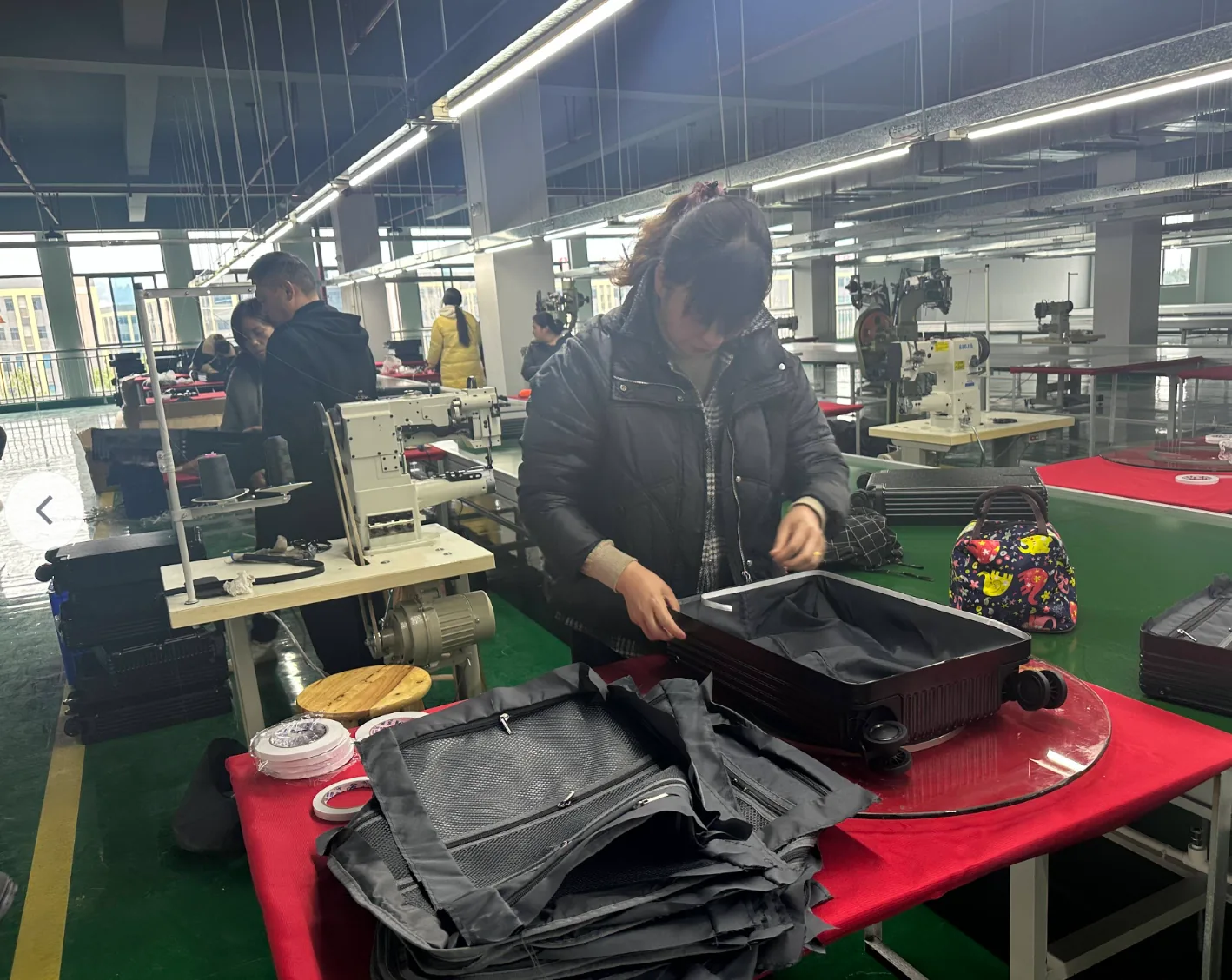
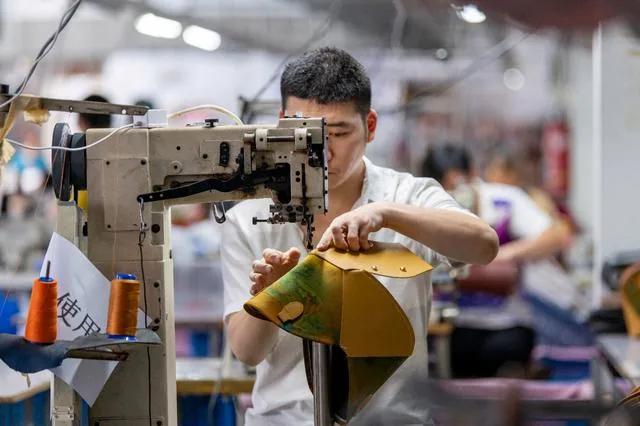
The goal of a custom bag sample is to turn an idea into something that can be checked: size, shape, material, structure, logo position, sewing details, packing method and user fit. We can help turn an early idea into a clearer sample brief before development starts.
Buyers do not need every detail solved before contacting AltusPack. Early-stage requests can begin with a product link, a photo set, a sketch, a physical sample, a rough size, an intended use and a target quantity range.
The more specific the request is, the easier it is to estimate sample fee, sample timing, material risk and bulk-production feasibility.
Planning baseline: Customized samples can start from one paid piece. Sample development is usually about 10-15 days after the required details are ready. Sample fees are commonly around USD 120-225, depending on customization requirements.
Inputs
What Can You Start From?
A complete tech pack can speed up development, but it is not the only valid starting point. Different buyers enter the process at different levels of detail, and we can help identify which missing details may affect sample fee, timing or approval.
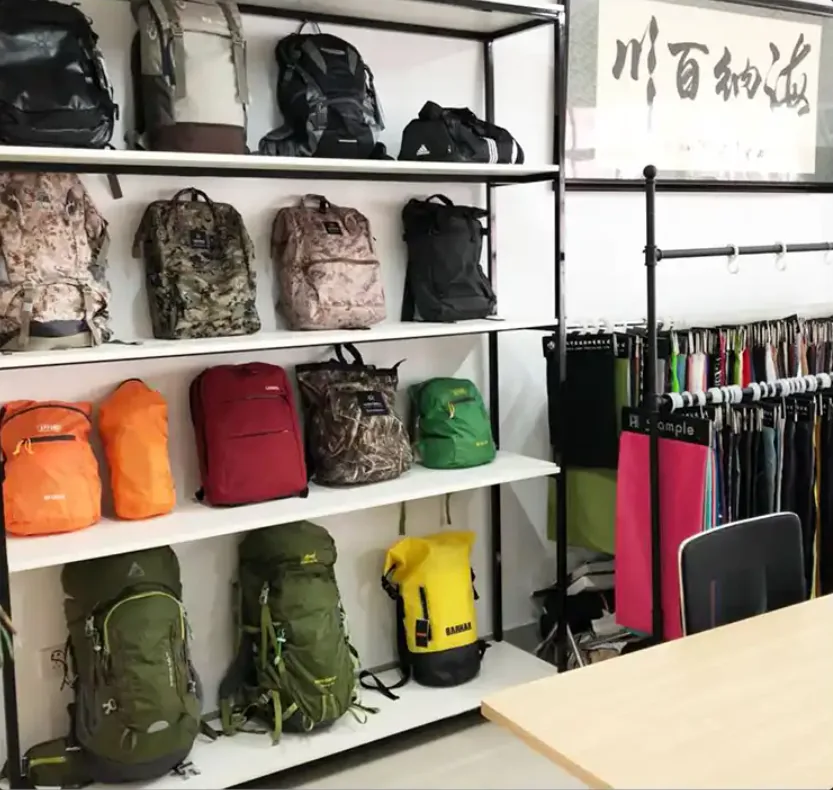
Reference photo or product link
Use this when you know the shape, size direction or use case, but still need help choosing material, structure and logo method.
Sketch or early idea
Use this when the product concept is still forming. Add the intended user, carry method, approximate size and required features.
Physical sample
Use this when you want to improve or adapt an existing bag. Mark what should stay the same and what should change.
Tech pack or artwork file
Use this when dimensions, materials, construction and logo placement are already defined. It still needs manufacturability review.
Workflow
How A Custom Bag Sample Usually Moves Forward
The sample process works best when decisions are handled in order. If material, logo, size and packaging keep changing at the same time, the sample can become hard to judge.
| Step | Buyer input | What gets reviewed |
|---|---|---|
| 1. Define the use case | Target buyer, product function, selling channel and quantity range. | Whether the bag type, structure and order plan are realistic. |
| 2. Choose the closest direction | Reference product, photos, sketch, sample or selected catalog link. | Which details can stay close to a reference and which require development. |
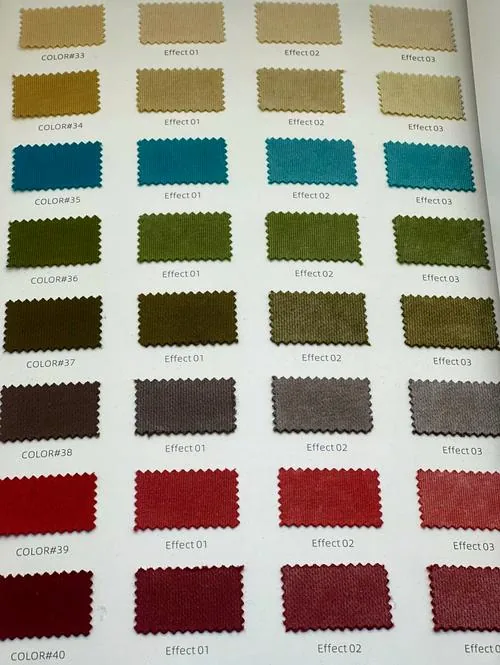
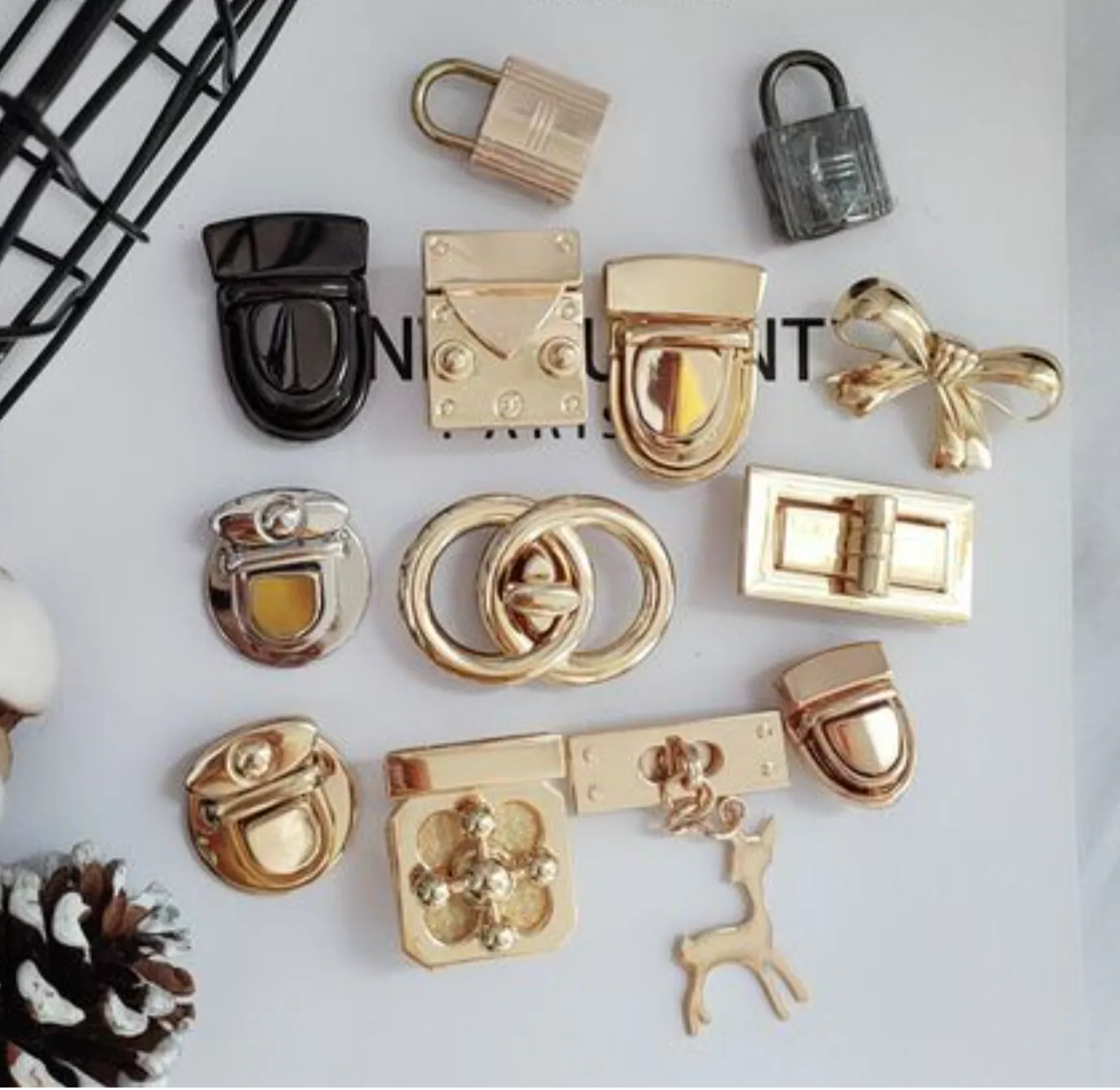
| 3. Review material and trim | Material preference, color, lining, webbing, zipper and hardware notes. | Availability, sample risk, MOQ impact and claim wording boundaries. |
| 4. Check logo and packaging | Artwork file, logo size, placement, label, insert or carton requirements. | Logo method, setup work, packing plan and sales-channel preparation needs. |
| 5. Make and review the sample | Sample approval notes, revision requests and final order direction. | Fit, structure, sewing, material, color, logo, packing and quote updates. |
Timing and fee
What Changes Sample Timing And Sample Fee?
Sample development is usually about 10-15 days, but the clock should start after the required details are ready. Missing artwork, unclear dimensions, unavailable materials or changing packaging requirements can extend the process.
Sample fees are commonly around USD 120-225 and are quoted by customization requirements. A simple logo change on an existing style is different from a new body pattern, custom hardware, special material, multi-part lining or channel-specific packaging.
If the later bulk order is strictly over USD 3,000, the sample fee can be deducted from that bulk order amount. This is an order deduction, not a cash refund, and the exact project terms should be confirmed before payment.
If the target market or selling platform requires testing or certification, discuss it before sampling. Testing can affect sample plan, evidence needs, claim wording and timeline.
Do not treat a planning range as a guarantee. Final sample fee, timing and bulk feasibility are confirmed after material, structure, logo, packaging and quantity are reviewed.
Approval
What Should You Check Before Approving A Sample?
Sample approval should be more precise than "looks good." A buyer should review whether the sample matches the intended user, selling channel and order plan.
- Finished size, capacity, shape and carry comfort
- Main fabric, lining, trim color and hand feel
- Pocket layout, zipper movement, straps, handles and reinforcement points
- Logo size, placement, color, stitching or surface result
- Packaging, label, barcode, insert and carton requirements
- Any water, abrasion, recycled-content, child-use or platform-related claim wording
- Whether the approved sample should be used as the bulk-production reference
Product references
Use Product Examples To Explain The Sample Request
Product links help the sample team understand the closest shape and complexity level. The final sample still depends on your selected material, size, logo, packing and approval notes.
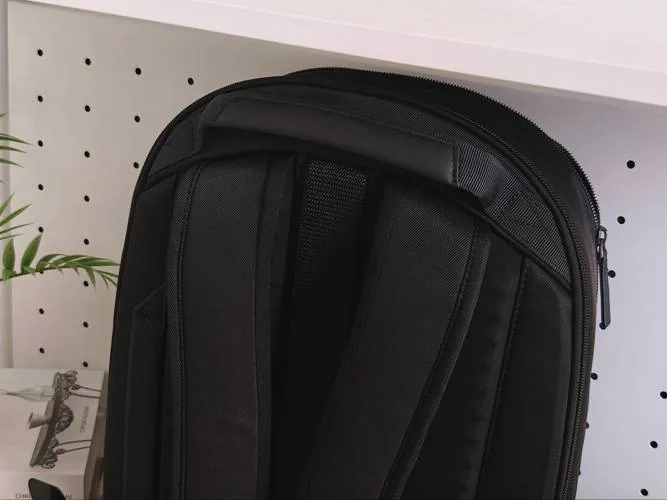
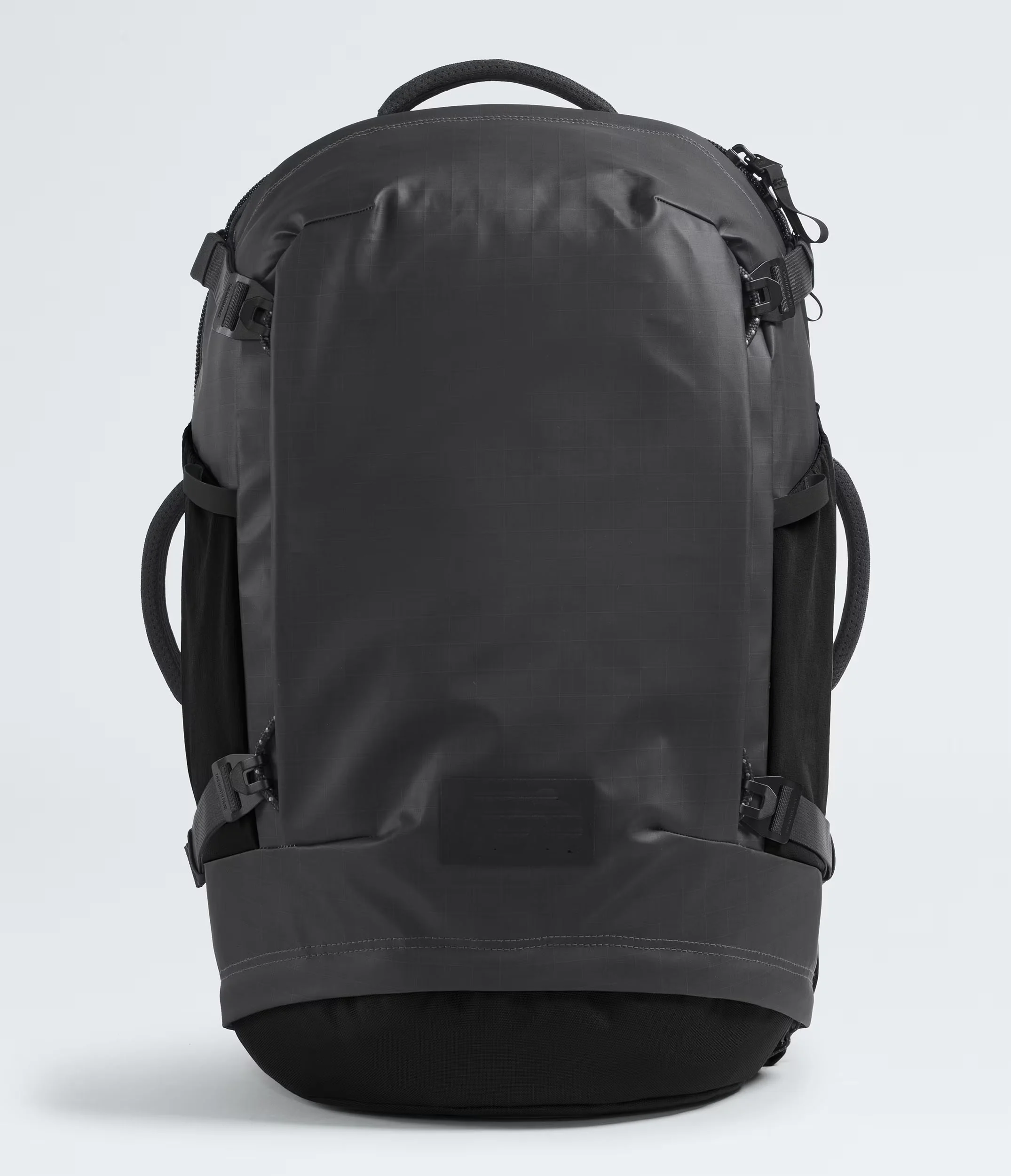 Business backpack reference
Share this if you want to discuss multi-pocket layout, padding, zipper placement, straps and structure.
Business backpack reference
Share this if you want to discuss multi-pocket layout, padding, zipper placement, straps and structure.
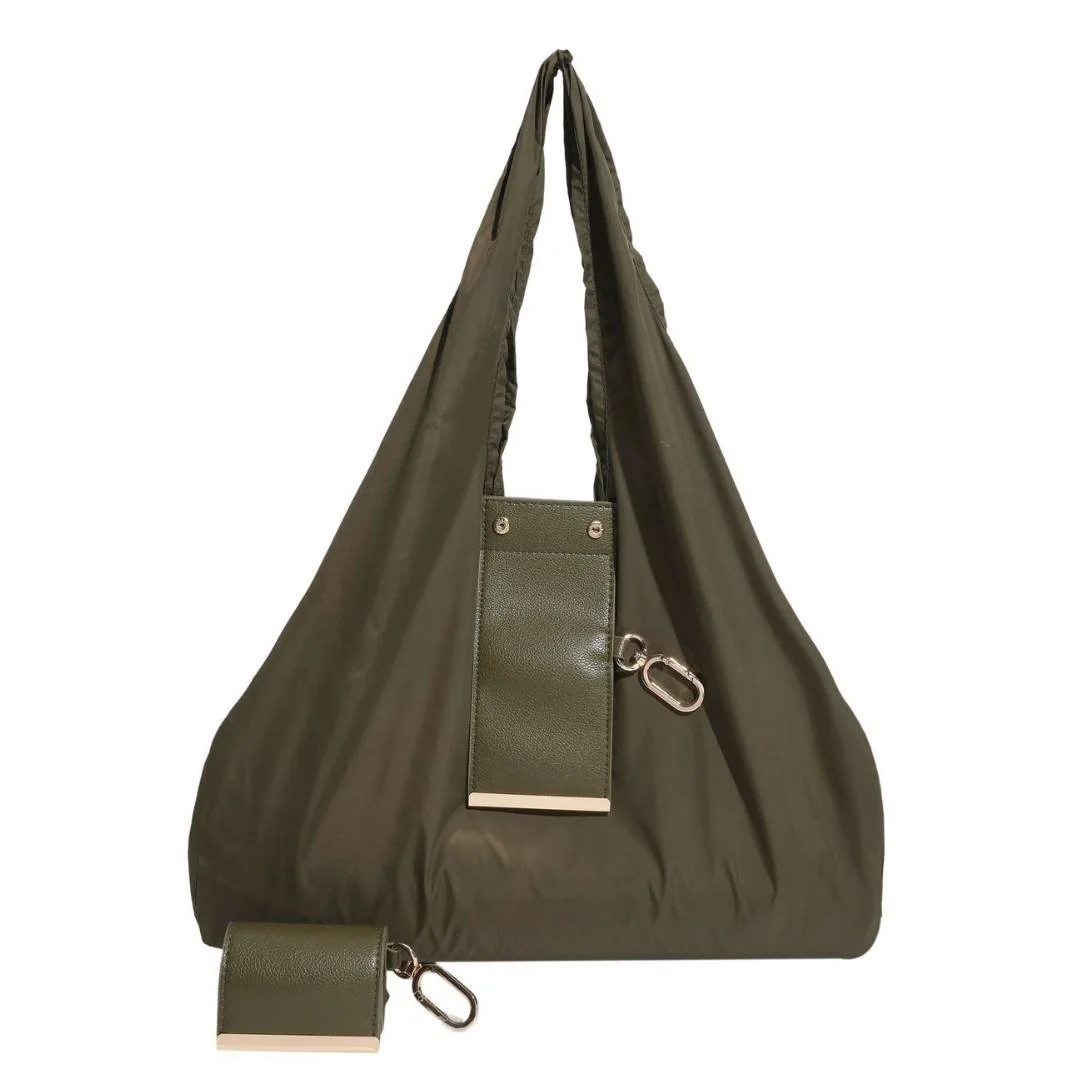 Foldable tote reference
Share this if you want to discuss simple shape, print placement, folding behavior and packing discussion.
Foldable tote reference
Share this if you want to discuss simple shape, print placement, folding behavior and packing discussion.
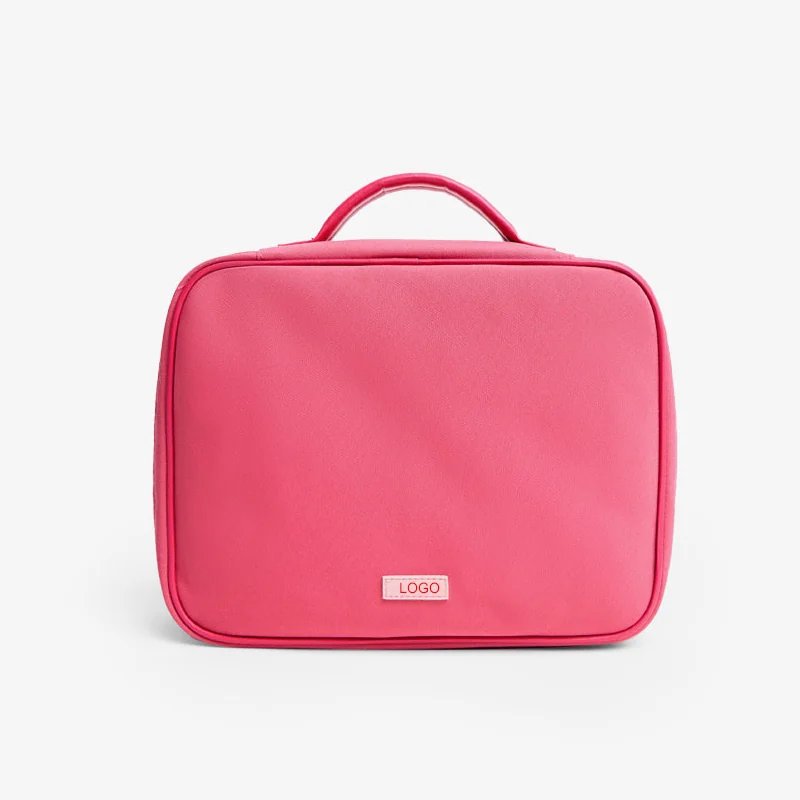 Cosmetic case reference
Share this if you want to discuss structured body, lining, zipper, surface material and logo-position discussion.
Cosmetic case reference
Share this if you want to discuss structured body, lining, zipper, surface material and logo-position discussion.
RFQ checklist
What To Send Before Requesting A Sample
A practical sample inquiry should make the first review clear. You can still ask for guidance if some details are undecided.
- Bag type, target user and intended use
- Reference photos, product links, sketches, physical sample notes or tech pack
- Finished size, capacity target and structure requirements
- Material direction, lining, color and trim preferences
- Logo artwork, logo method, size and placement
- Target quantity range and expected launch timing
- Packaging, labeling or FBA preparation support needs
- Target market, selling platform, testing or claim requirements
- What must be checked before approving the sample
For file-based requests, list the file names in the RFQ summary and share actual files through the agreed channel. This helps the team match artwork, reference photos and revision notes to the right project.
Next step
Turn The Sample Request Into A Clear First Review
Start with the closest reference, then list what must change. A good sample brief reduces guessing and makes the first sample easier to approve or revise.