 Custom bag partner
Start point
We Usually Start By Checking The Quote Scope
It is natural to ask for the lowest unit price first. The risk is that the supplier may answer a different question from the one you actually care about. A cheap quote for the wrong fabric, weak handles, missing packaging or unconfirmed logo method will not help you plan a real order.
When you send a target price or a competitor quote, we can help review what may be included or missing. A tote bag, cosmetic case, cooler bag and backpack can each be simple or complex depending on fabric, lining, reinforcement, logo process, hardware, packing method and testing needs.
For current AltusPack planning, customized samples can start from one paid piece. Bulk production usually starts from 500 pieces per SKU. Sample development is usually about 10-15 days, and bulk production is usually around 40 days after sample approval and final order confirmation.
Sample fees are commonly around USD 120-225, but the final fee changes with customization requirements. Treat this as a planning range, not a fixed price for every bag or every sample.
Digital renderings and revisions are provided free for project discussion. For a confirmed bulk order strictly over USD 3,000, the sample fee can be deducted from that bulk order amount; this is not a cash refund.
Quote boundary: If some details are not ready, we can usually discuss a planning range first. Final price, MOQ, sample fee, lead time, shipping cost, warehousing cost, duties, taxes and destination import handling must still be confirmed by project requirements and destination market before order confirmation.
Cost drivers
What Usually Changes Custom Bag Cost?
When a quote feels unclear, it is usually because one of the variables below has not been locked. We can review these details with you and point out which ones are likely to change the unit price even when the product photo looks almost the same.
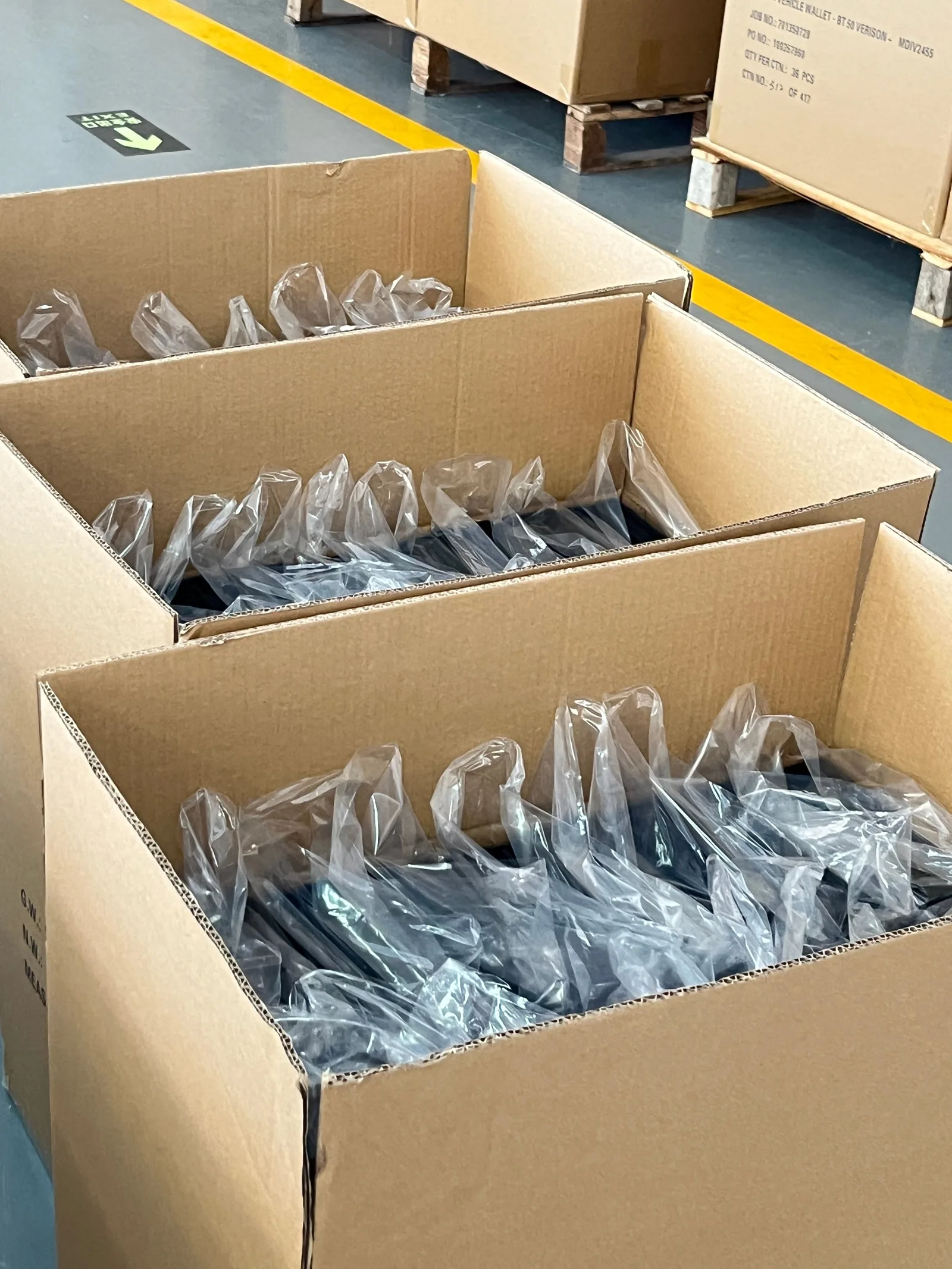
| Cost variable | Why it matters | What helps us review it |
|---|---|---|
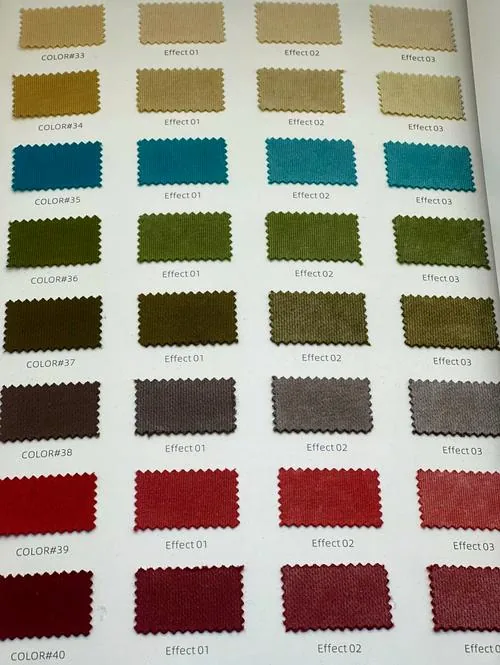
| Material and lining | Fabric price, coating, backing, color availability and fabric MOQ can change the order plan. | Material direction, target hand feel, color, lining need and any claim requirements. |
| Size and pattern | Larger panels, shaped bodies and complex cutting increase material usage and production time. | Finished dimensions, capacity target, reference photos or a drawing. |
| Structure and sewing details | Pockets, padding, binding, reinforcement, dividers and special compartments add labor and review time. | Pocket layout, reinforcement points, carry method and intended load or use case. |
| Logo and surface process | Screen print, embroidery, heat transfer, woven labels, rubber patches and metal plates have different setup and sample risks. | Artwork file, logo size, placement, color count and preferred logo method. |
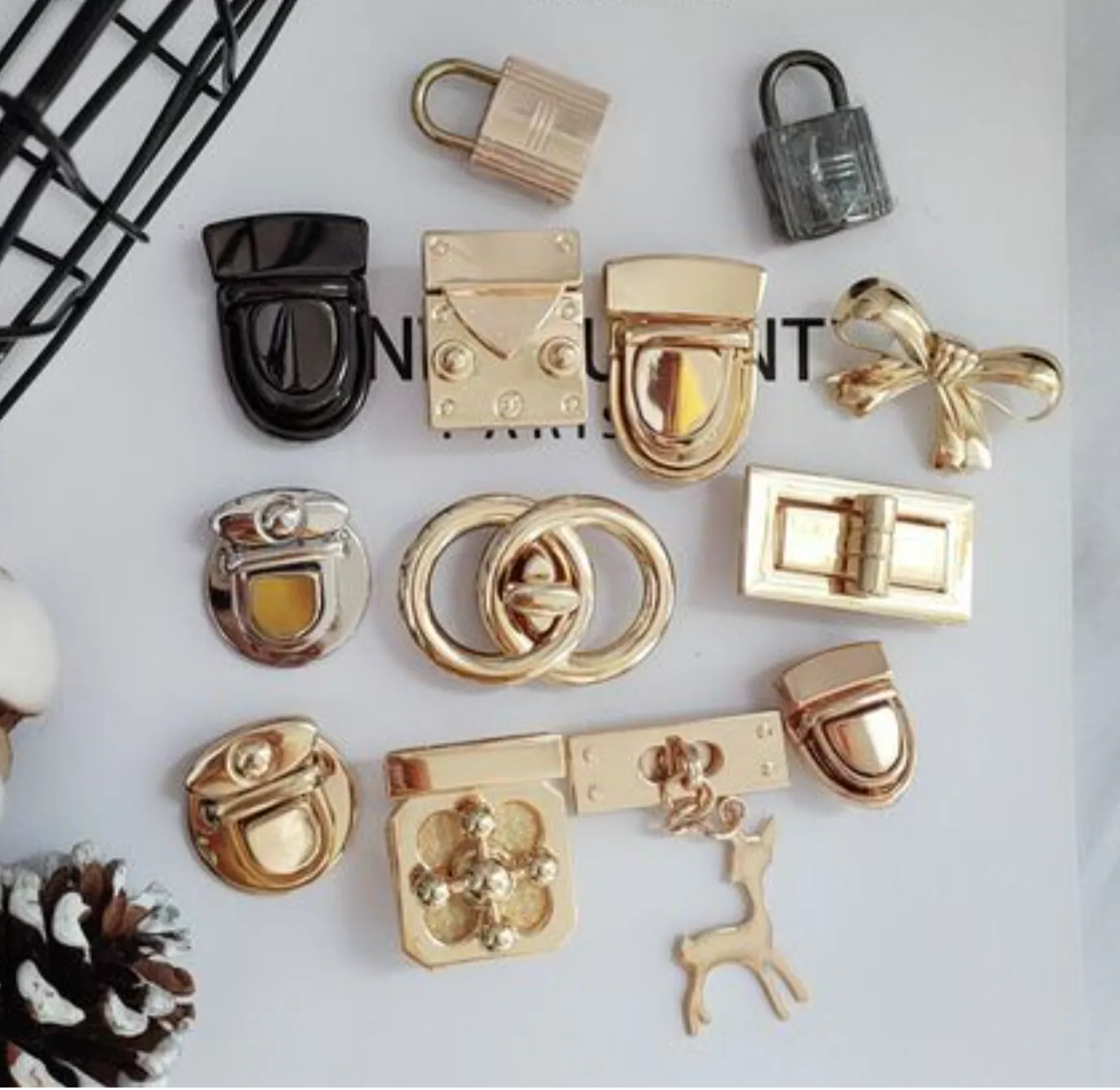
| Hardware and trims | Zippers, sliders, buckles, hooks, webbing and labels can affect cost, lead time and MOQ. | Trim material, color, finish, quantity and whether custom tooling is needed. |
| Packaging and channel needs | Retail bags, inserts, polybags, carton labels, barcodes and warehouse instructions can change packing work. | Packaging method, label files, carton rules, target selling channel and shipment plan. |
| Testing or certification | Testing can add time and cost when a platform, retailer or target market requires it. | Target market, required standard or platform requirement, claim wording and deadline. |
| Quantity and delivery route | Unit price, packing cost, shipping route and warehousing plan change with quantity and destination. | Quantity range, destination, delivery deadline and whether fulfillment support is needed. |
MOQ
Why Does Bulk Production MOQ Usually Start From 500 Pieces?
For sampling, you can order 1 custom piece by paying the sample fee. You do not need to commit to bulk production. The MOQ discussed below applies to bulk orders, not paid sample orders.
MOQ can feel frustrating when you only need a small first order. We can check whether the project has room to stay close to the usual baseline, but MOQ is not only a factory preference. It is tied to fabric purchasing, color setup, logo production, trim sourcing, packaging preparation and the time required to run a custom order efficiently.
AltusPack's general bulk-production planning baseline is 500 pieces per SKU. Mixed colors, sizes or styles cannot be added together to replace the per-SKU threshold; final SKU definition is confirmed during quotation. Some details may still move the final MOQ: custom fabric, dyed-to-match colors, special hardware, complex logo processes, custom packaging or supplier-side material minimums.
A one-piece custom sample is useful for development, fit, material discussion and buyer approval. It does not mean the same design can be produced as a one-piece bulk order at bulk pricing. We will usually treat the sample as a decision tool, not as a promise that bulk MOQ disappears.
When MOQ may stay simple
Standard fabrics, common trims, simple logo placement and flexible colors usually make MOQ review easier.
When MOQ may rise
Special material, custom color, custom hardware, detailed packaging or testing requirements can change the minimum.
Sample fee
What Does The Sample Fee Cover?
A sample fee is not just a smaller version of the bulk unit price. This is one of the most common misunderstandings in custom bag sourcing. We can help explain whether the fee is mainly covering pattern work, material preparation, trim review, logo setup, sample sewing, internal checking or revision discussion.
For current planning, sample fees are commonly around USD 120-225, depending on customization requirements. Simple reference-style changes can be easier to sample. New shapes, custom hardware, special packaging, complex logos or difficult materials can require a different fee and timeline.
If the later bulk order is strictly over USD 3,000, the paid sample fee can be deducted from that bulk order amount. This should be treated as an order deduction, not as a cash sample-fee refund.
Before paying for a sample, it helps to confirm what will be reviewed: size, fabric, lining, logo placement, stitching, pocket layout, closure, packing and any required claim or testing plan. If these points are unclear, the first sample can become an expensive guessing round.
Timing
Why Lead Time Starts After The Details Are Approved
Sample timing and production timing should be counted from the right milestone. A rough inquiry date is not the same as approved artwork, confirmed material, approved sample and final order confirmation.
Sample development is usually about 10-15 days after the required details are ready. Bulk production is usually around 40 days after sample approval and final order confirmation. If artwork, material, trims, testing, packaging approval or shipment coordination is still open, we can discuss the path, but timing may stay conditional.
Where things may pause: final price, MOQ, sample timing or bulk timing can be held until the details that affect cost are clear enough to confirm.
Product references
Product Examples Help Us Talk About The Real Cost Driver
These examples are useful because each product exposes a different cost driver. You can point to the closest structure, then tell us what should change for your project.
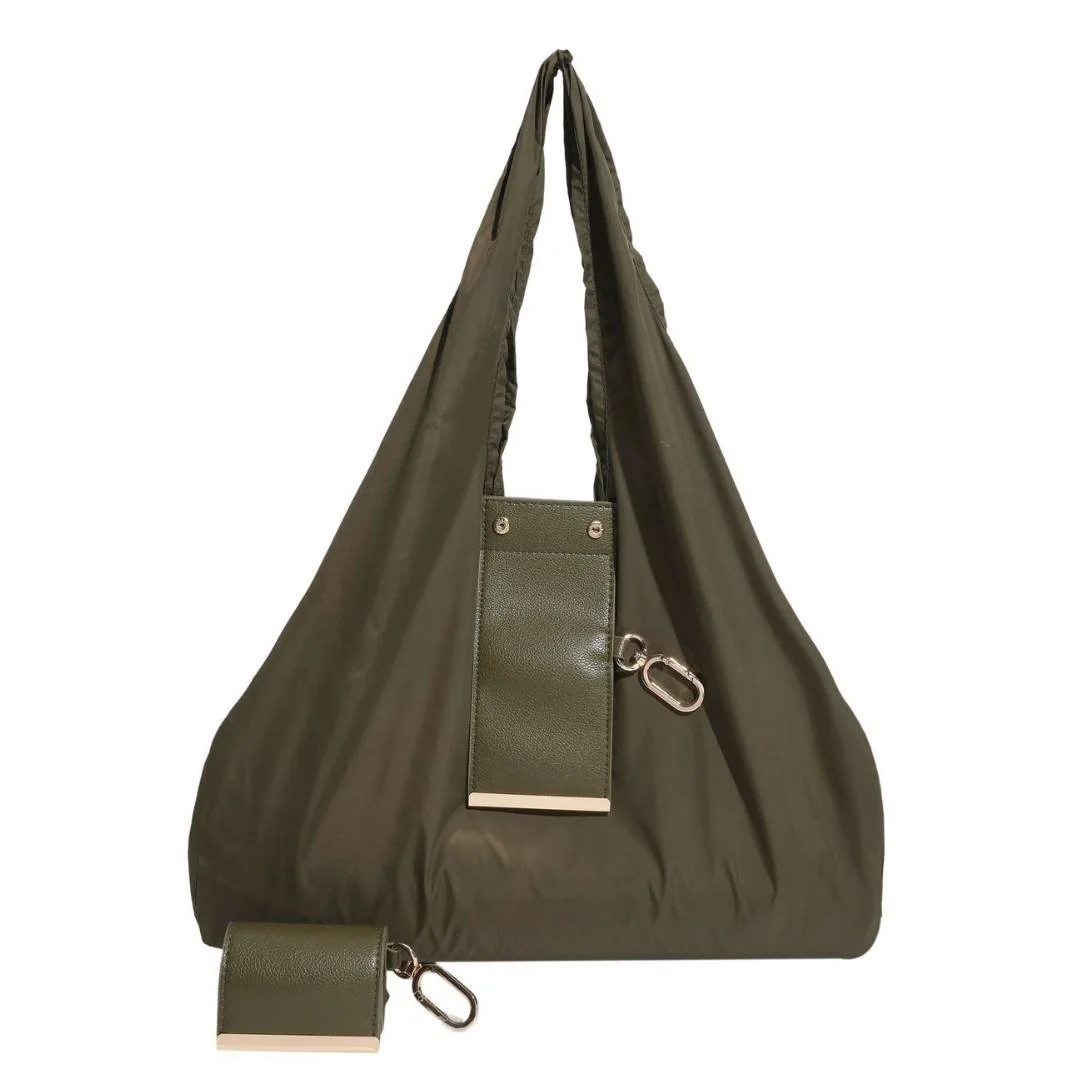 Foldable tote reference
Share this if lightweight fabric, folding structure, print placement or packing volume may affect the quote.
Foldable tote reference
Share this if lightweight fabric, folding structure, print placement or packing volume may affect the quote.
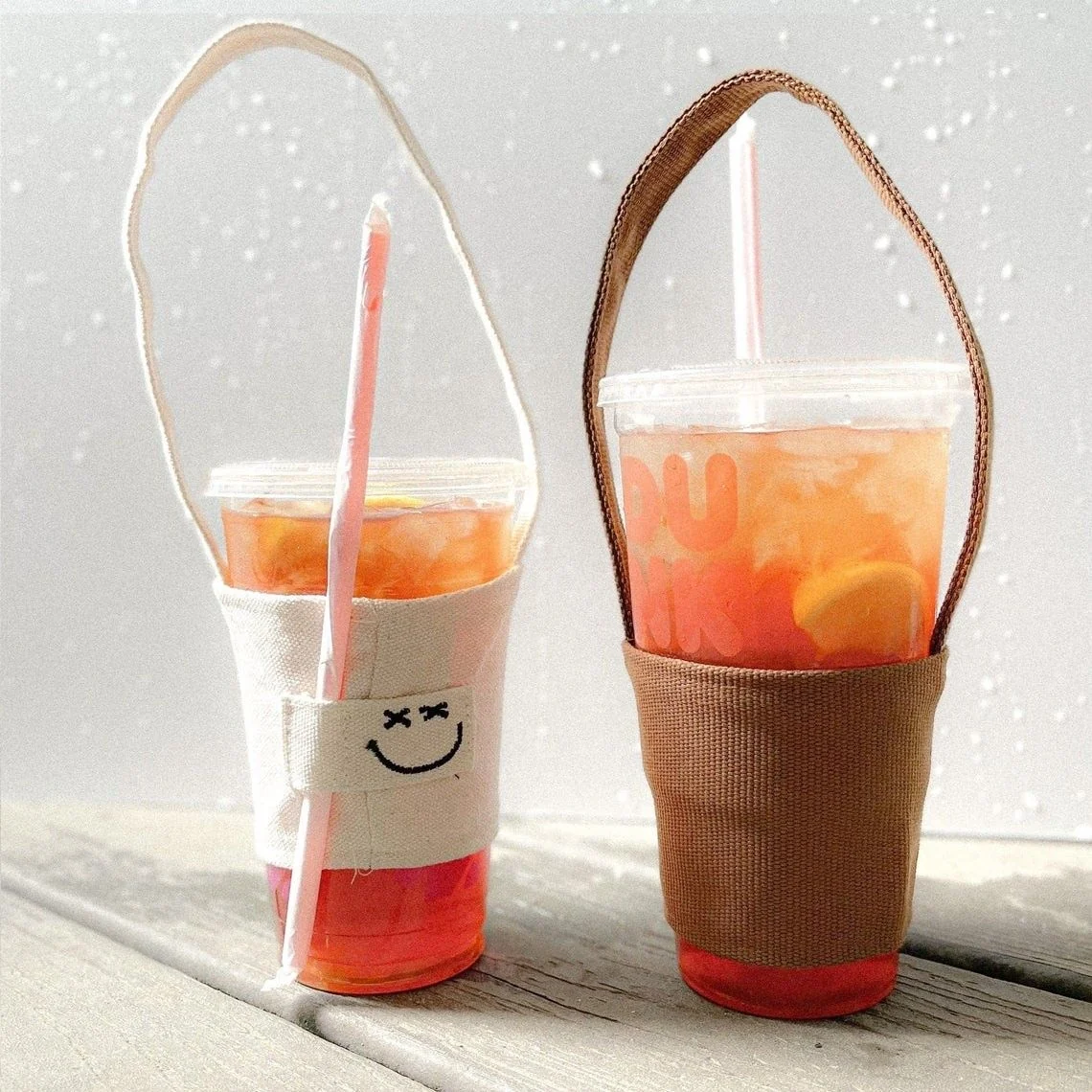 Cotton cooler bag reference
Share this if lining, insulation structure, handles, stitching or packing details may change cost and sample review.
Cotton cooler bag reference
Share this if lining, insulation structure, handles, stitching or packing details may change cost and sample review.
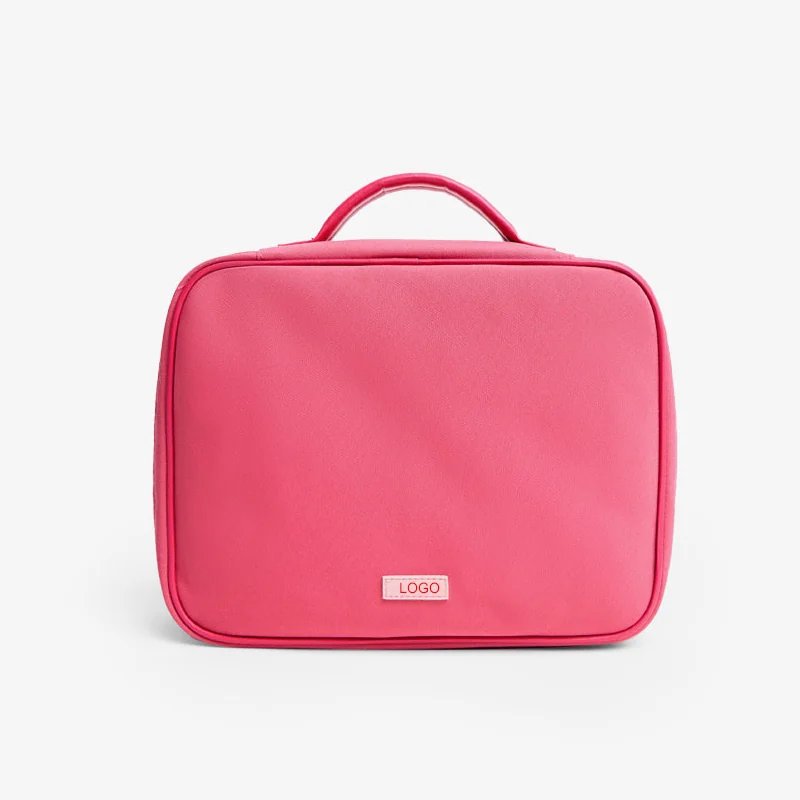 Cosmetic case reference
Share this if small structured bodies, lining, zipper quality, surface finish and logo position need clearer pricing.
Cosmetic case reference
Share this if small structured bodies, lining, zipper quality, surface finish and logo position need clearer pricing.
RFQ checklist
What To Send For A More Useful Quote
A quote request does not need to be perfect, but it should give enough context to avoid pricing the wrong product.
- Bag type, target buyer and intended use
- Reference product link, photo, sketch, sample or tech pack
- Finished size, capacity target and structure notes
- Material direction, lining, trim and color requirements
- Logo method, artwork file, placement and color count
- Quantity range and whether you need sample first
- Packaging, labeling and preparation support needs
- Target market, platform requirements or test requests
- Destination, expected timing and shipment or warehouse plan
For Amazon or DTC launches, packaging, labeling and FBA preparation support can be reviewed when the buyer provides the platform or warehouse requirements. This is preparation support, not platform approval, customs advice or tax advice.
Next step
Let Us Review The Variables Before You Rely On A Final Number
The fastest way to improve quote accuracy is to share the variables that change cost. Start with the closest reference style, then list what must change: size, fabric, lining, logo, packaging, quantity, testing and delivery plan. A good first quote is not only a number; it is a clearer map of what still needs to be decided.