
 Custom bag partner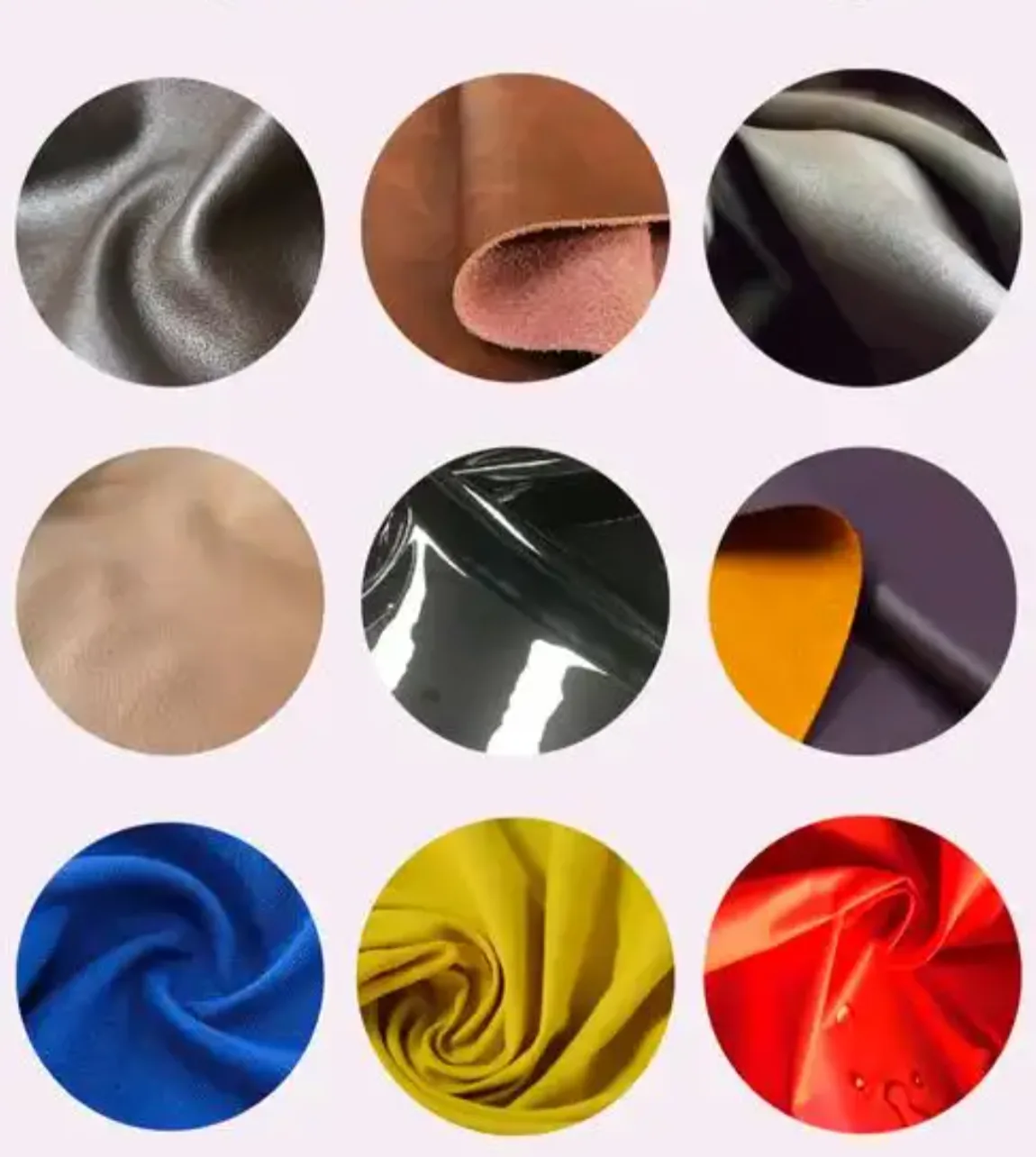
Start point
Start With The Bag's Job
Before comparing nylon, polyester, canvas, PU, PVC or recycled fabrics, define the job of the bag in plain language. A laptop backpack, cosmetic pouch, tote, cooler bag and travel duffel each stress the material in different ways.
For a laptop backpack, the material has to work with padding, lining, shoulder straps, zipper placement, seam stress and everyday abrasion. For a cosmetic bag, wipe-clean surfaces, lining compatibility, zipper behavior, colorfastness and odor may matter more than load capacity.
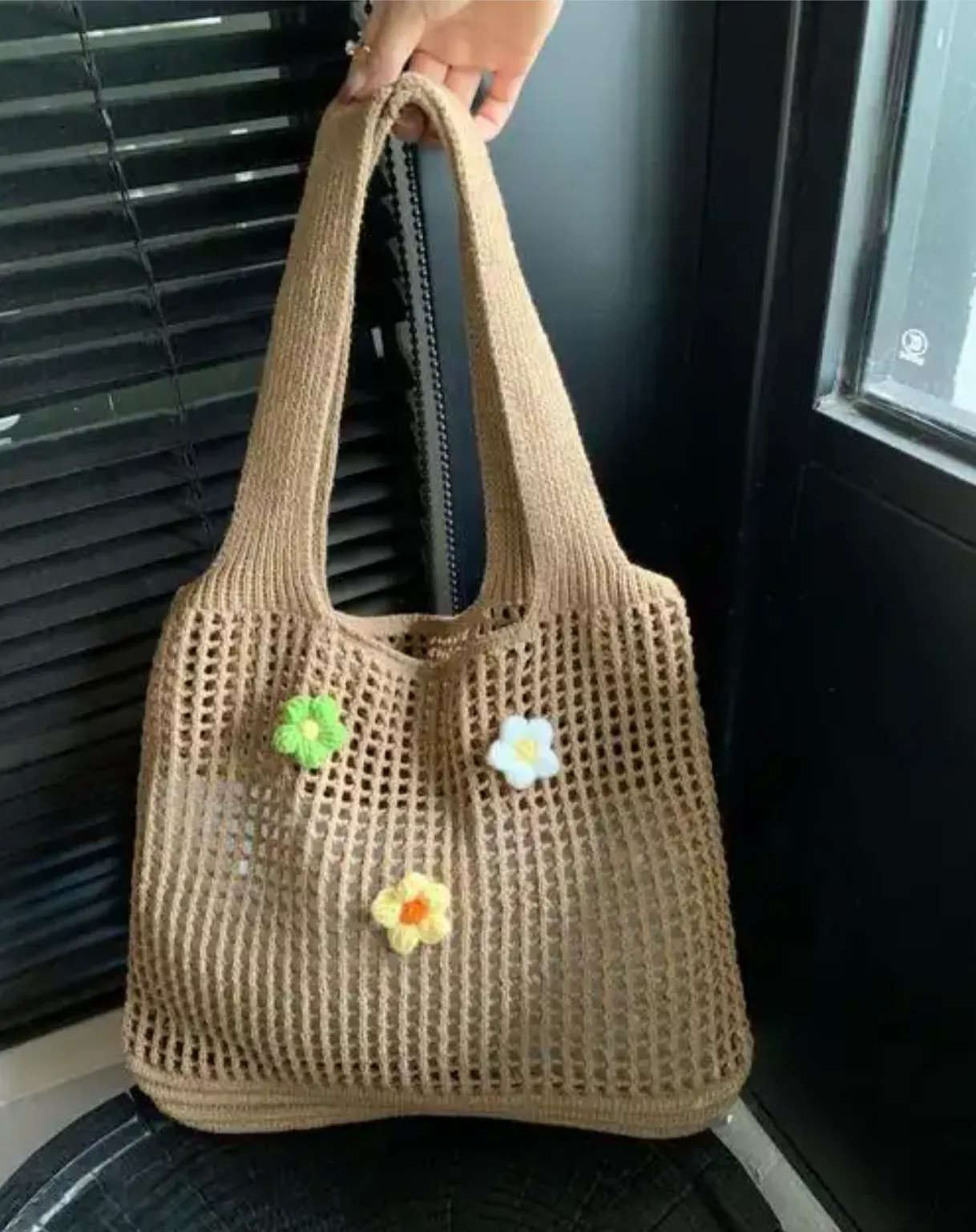
A swatch can look good on a desk and still fail in the finished bag if the construction is wrong. Discuss the shell fabric, lining, backing, interlining, coating, webbing, zipper, hardware and stitch construction together.
Planning baseline: Customized samples can start from one paid piece, bulk production usually starts from 500 pieces per SKU, sample development is usually about 10-15 days, and bulk production is usually around 40 days after approval. Final timing and pricing depend on material, structure, artwork, packaging and order quantity.
Material options
Common Material Directions
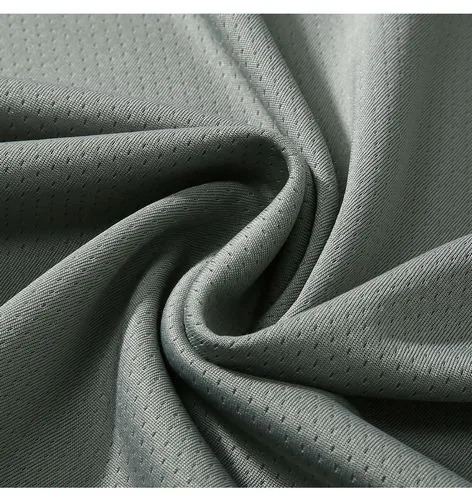
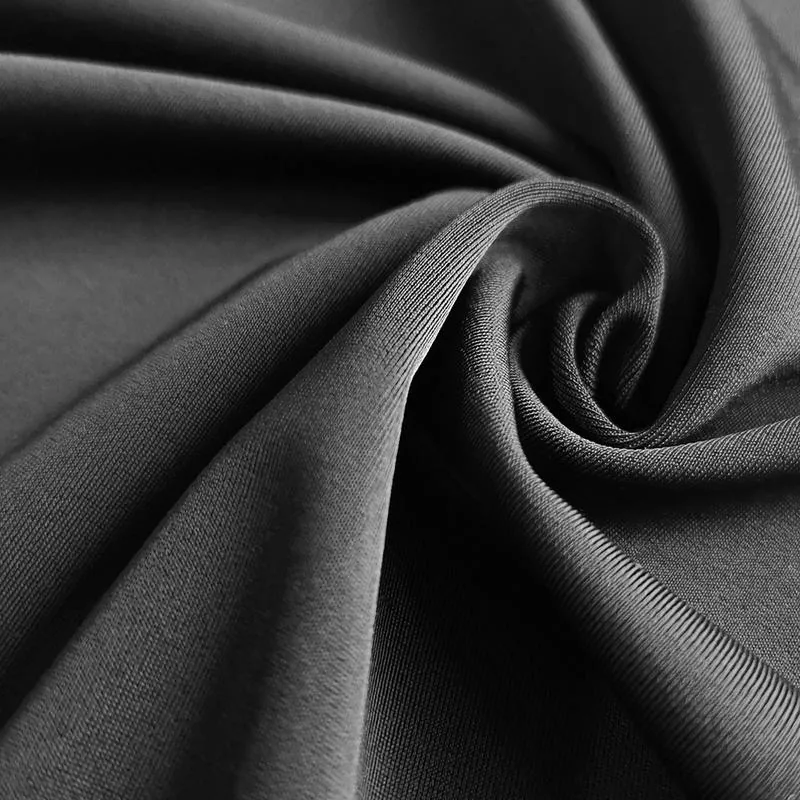
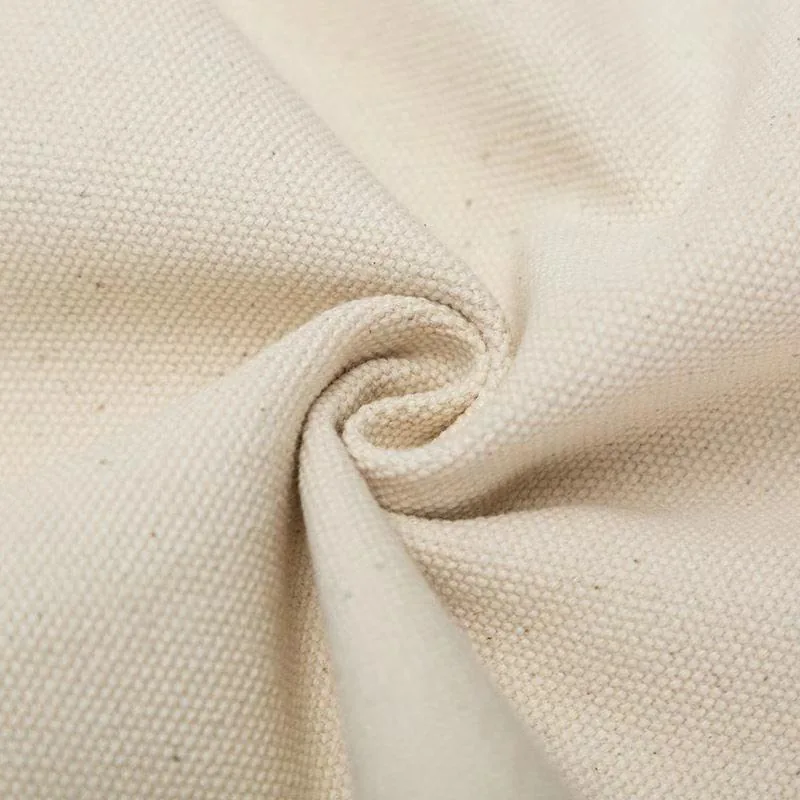
| Material family | Where it often fits | Main advantage | What to check before ordering |
|---|---|---|---|
| Polyester woven fabrics | Backpacks, duffel bags, cosmetic bags, totes and promotional programs | Broad availability, stable color options, printable surfaces and cost control | Check weave, coating, backing, tear strength, abrasion, colorfastness and hand feel. |
| Nylon woven fabrics | Backpacks, travel bags, outdoor-inspired styles and lightweight bags | Often selected when a softer or more technical hand is desired | Confirm fabric specification, coating, abrasion or tear targets, color options and price. |
| Cotton canvas or cotton-blend canvas | Totes, casual lifestyle bags, gift programs and natural-look branding | Natural hand feel, visible structure and strong fit for screen print or embroidery | Check shrinkage, colorfastness, fabric weight, seam bulk and shade tolerance. |
| PU or PVC coated fabrics and synthetic leather | Cosmetic bags, toiletry bags, organizers and structured fashion bags | Smooth surface, easy-clean look, leather-like appearance and color options | Check backing fabric, coating adhesion, cold flex, odor, surface cracking and material labeling. |
| Recycled polyester or recycled nylon | Sustainability-led programs where chain-of-custody documents are available | Can support a specific recycled-content story when properly documented | Ask for scope documents, transaction documents, recycled-content percentage and approved claim wording. |
| Mesh, lining and specialty fabrics | Pockets, ventilation panels, interior compartments and shoe or laundry sections | Functional detail and better user experience | Confirm stretch, snagging, seam compatibility, color transfer risk and construction fit. |
This table is a starting point, not a finished specification. Available fabrics, color cards, coating, minimum order requirements, test needs and lead time still need project review.
Tote material
Best Tote Bag Material For Custom Orders
For a custom tote order, the best tote bag material is usually not one fabric name. It is the material package that fits the tote's job, print method, target price and claim requirements.
If the tote is a low-cost event giveaway, the buyer may care most about unit cost, folding, packing volume and fast logo production. If the tote will be sold as a retail product, hand feel, structure, stitching, handle comfort, color consistency and long-term brand impression matter more.
| Tote use case | Material direction to compare | Specification details to confirm | Claim risk to control |
|---|---|---|---|
| Event giveaway or simple promotion | Lightweight cotton, polyester or non-woven options if available | Finished size, handle length, logo method, packing count, color tolerance and target unit cost | Do not imply long-life or heavy-load performance without testing. |
| Retail or lifestyle tote | Cotton canvas, cotton-blend canvas or structured woven fabric | Fabric weight, weave, shrinkage, hand feel, seam bulk, handle reinforcement and print test | Natural-looking fabrics can have shade and texture variation; approve bulk tolerance. |
| Grocery or heavier reusable tote | Heavier canvas, reinforced woven fabric or structured synthetic fabric | Expected load, bottom panel, handle attachment, seam reinforcement, lining or binding and abrasion expectations | Performance language should be backed by construction and test expectations, not fabric name alone. |
| Foldable shopping tote | Polyester, recycled polyester with documents, or other lightweight woven options | Folded size, crease behavior, edge finishing, coating, print durability and pouch or packing method | Recycled or environmental claims need chain-of-custody support. |
| Beach, travel or outdoor-style tote | Coated or finished woven fabrics, plus suitable lining and closure choices | Water exposure level, coating or backing, seam construction, zipper or snap choice and cleaning method | A broad waterproof tote claim needs finished-bag construction and matching test evidence. |
Fabric comparison
Nylon vs Polyester: Do Not Decide By Fiber Name Alone
Nylon and polyester are both common synthetic fibers for bags, but the fiber name is only one layer of the decision. The final fabric also depends on yarn size, weave, filament or spun yarn choice, coating, finishing, backing and the way the fabric is cut and sewn into the bag.
For many everyday custom bag programs, polyester can be a practical first option because it is widely available, prints well and often helps control cost. Nylon may be preferred for some backpacks or travel styles when the desired hand feel, abrasion target or lightweight performance supports the price difference.
Ask for specifications
Request the exact fabric name, yarn size if applicable, weight, coating, backing, finish, color options and sample availability.
Approve in the finished structure
A fabric that feels right as a swatch still needs to work with the lining, padding, zippers, webbing and stitching.
Claim boundary
Water Resistance Needs A Test Method And A Construction Plan
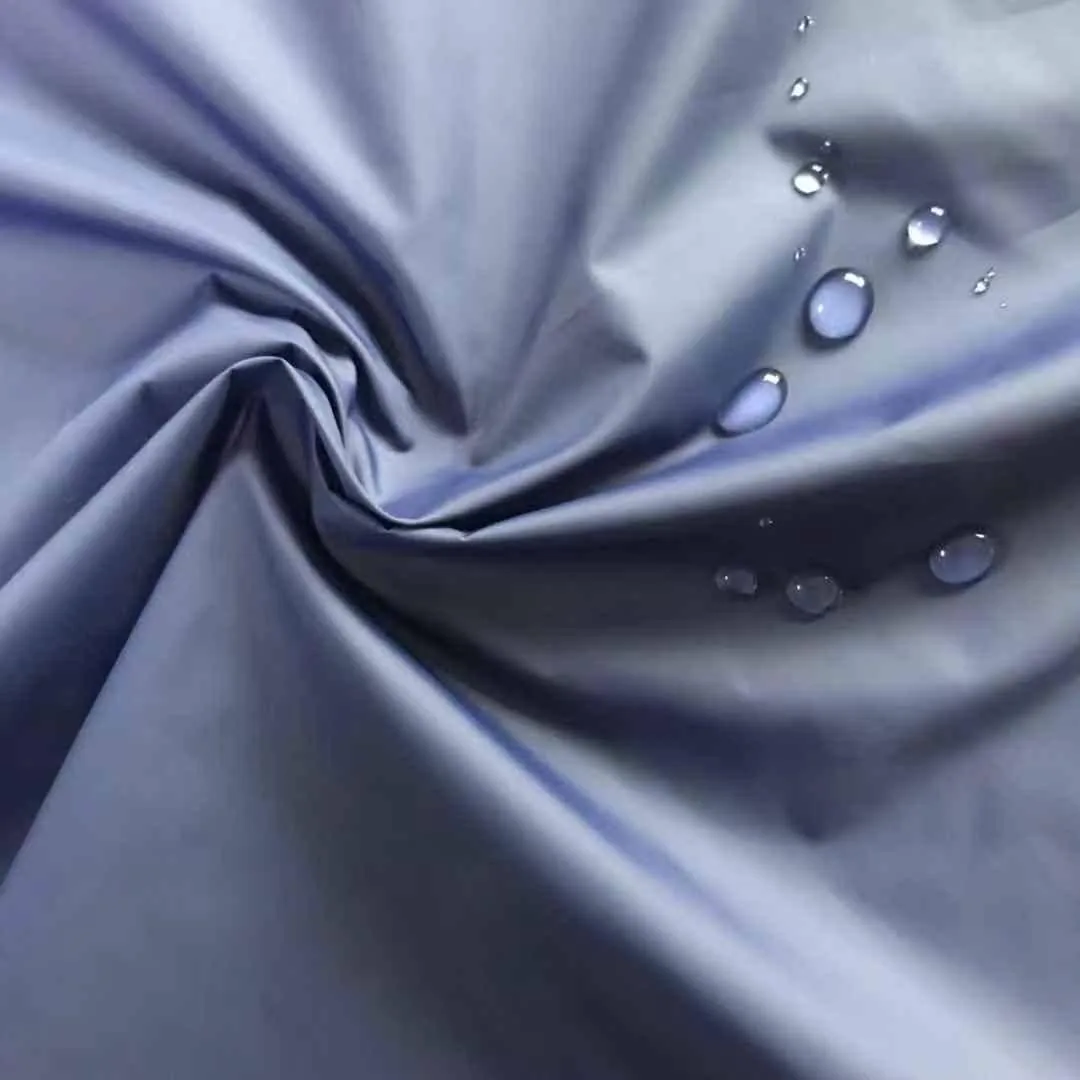
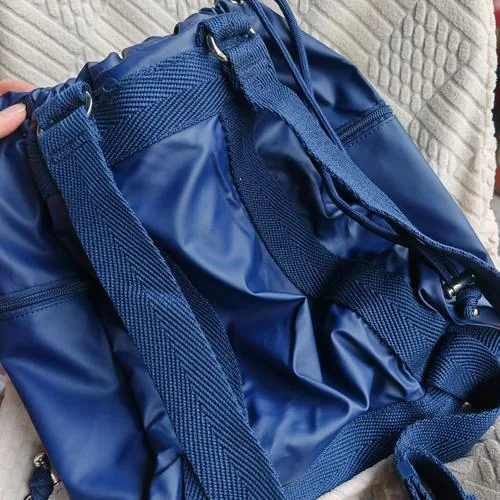
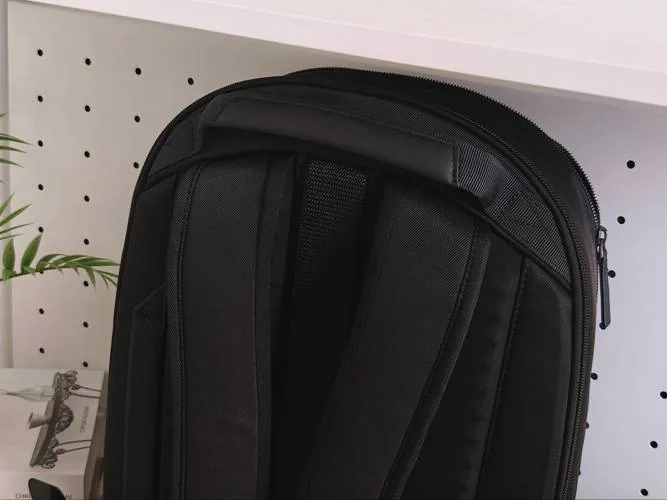
A material can resist wetting or water penetration under defined test conditions, but the finished bag's performance also depends on seams, zippers, stitching holes, bindings, openings and use conditions.
Before using a public claim, clarify whether the request is for surface water beading, rain resistance or protection against water penetration. Then confirm whether the claim applies to fabric only or to the finished bag.
- Are seams sealed, bound, taped or left as normal stitched seams?
- Are zippers protected by flaps, specialized components or standard coil zippers?
- Which test method, sample size and pass level will be used?
- Will the test cover the fabric, a panel or the final bag?
Testing language: AltusPack can coordinate testing or certification when a buyer's platform or target market requires it. This does not mean every material or finished bag has a ready-made report by default.
Sustainability
Do Not Let Sustainability Claims Run Ahead Of Documents
Recycled polyester, recycled nylon, organic cotton and other preferred materials can be useful for brand positioning. They also require discipline. A swatch label or supplier statement is not enough for many public claims.
If a product will be promoted as recycled or made with a specific certified input, ask for chain-of-custody documentation and approved claim wording before packaging, listings or ads are finalized.
- Use a specific material statement when documents support it.
- Keep recycled-content claims pending until the right documents are reviewed.
- Confirm whether certification applies to fabric, production, finished goods or only a supplier scope.
Branding
Match Material To Branding Method
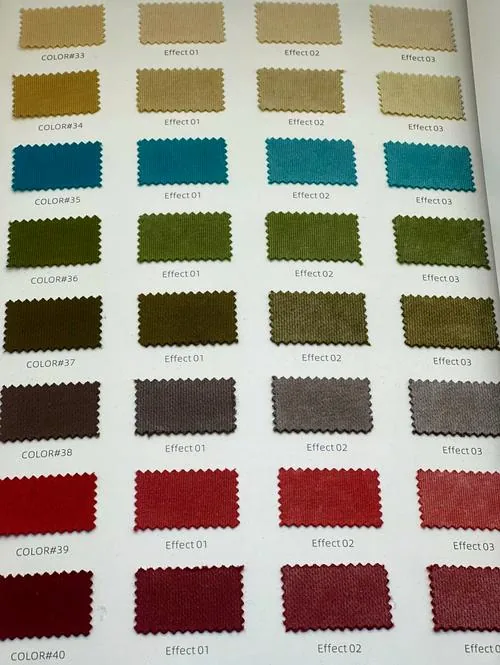
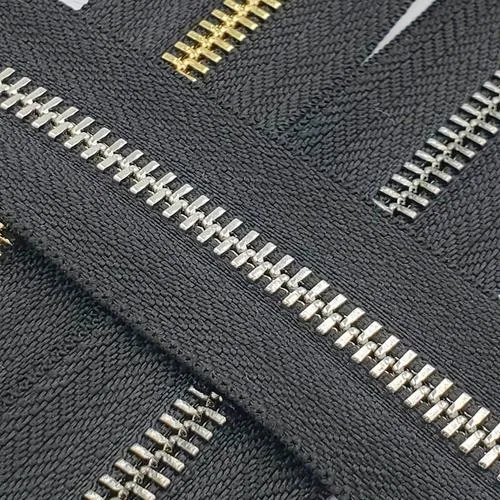
The best material for a custom bag also depends on the logo or surface treatment. Screen printing, embroidery, heat transfer, woven labels, rubber patches, metal plates, debossing and embossing each add different requirements for surface, pressure, backing or hardware attachment.
When possible, approve branding on the actual bulk-intent fabric, not only on a generic sample. Coatings and finishes can change how ink, adhesive, thread and heat-transfer film behave.
Specification
Build The Specification Around Risk
For a low-risk tote program, the specification may focus on fabric weight, handle strength, print method, color, packing and target cost. For a backpack, the specification should also cover padding, lining, shoulder strap construction, webbing, zipper grade, stitch reinforcement, laptop compartment fit and load-related testing.
For a cosmetic or toiletry bag, lining, coating, wipe-clean surface, zipper quality, odor and chemical restrictions may be more important. A good brief gives the manufacturer enough context to recommend a practical material instead of guessing from a single keyword.
Product references
Use Real Bag Shapes To Compare Materials
Material decisions become clearer when buyers compare them against actual bag shapes. Use these references to check tote structure, foldability, backpack panels and logo placement before sending a brief.
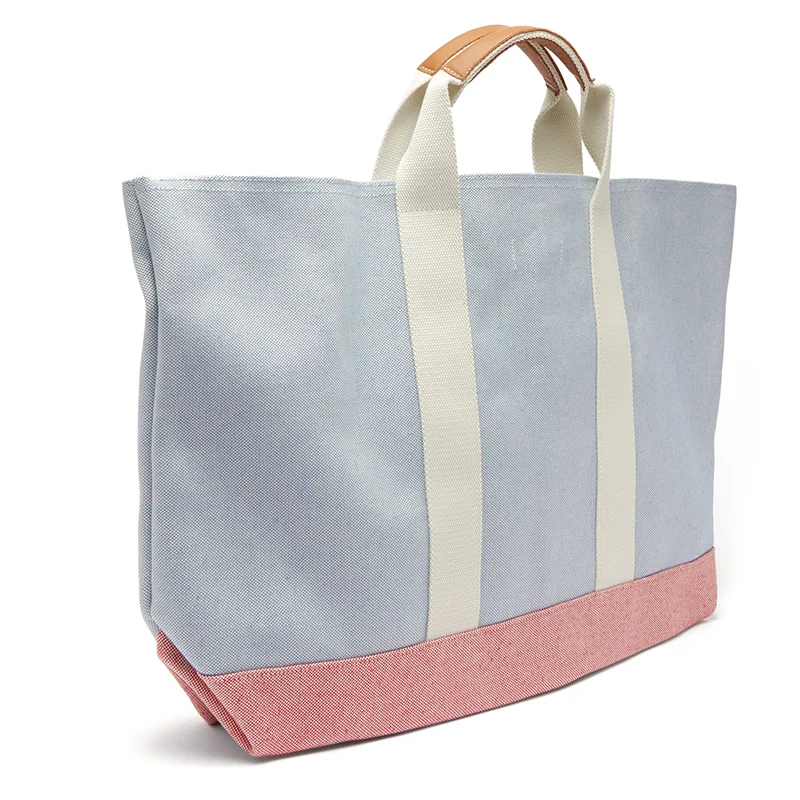 Canvas tote reference
Share this if you want to discuss handle, zipper, fabric hand and retail-style material details.
Canvas tote reference
Share this if you want to discuss handle, zipper, fabric hand and retail-style material details.
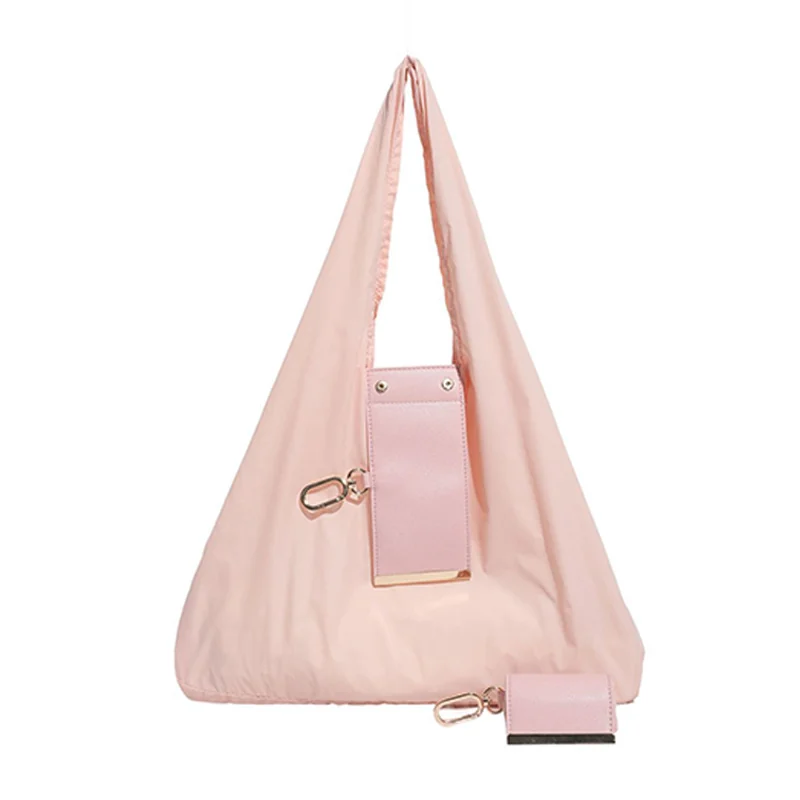
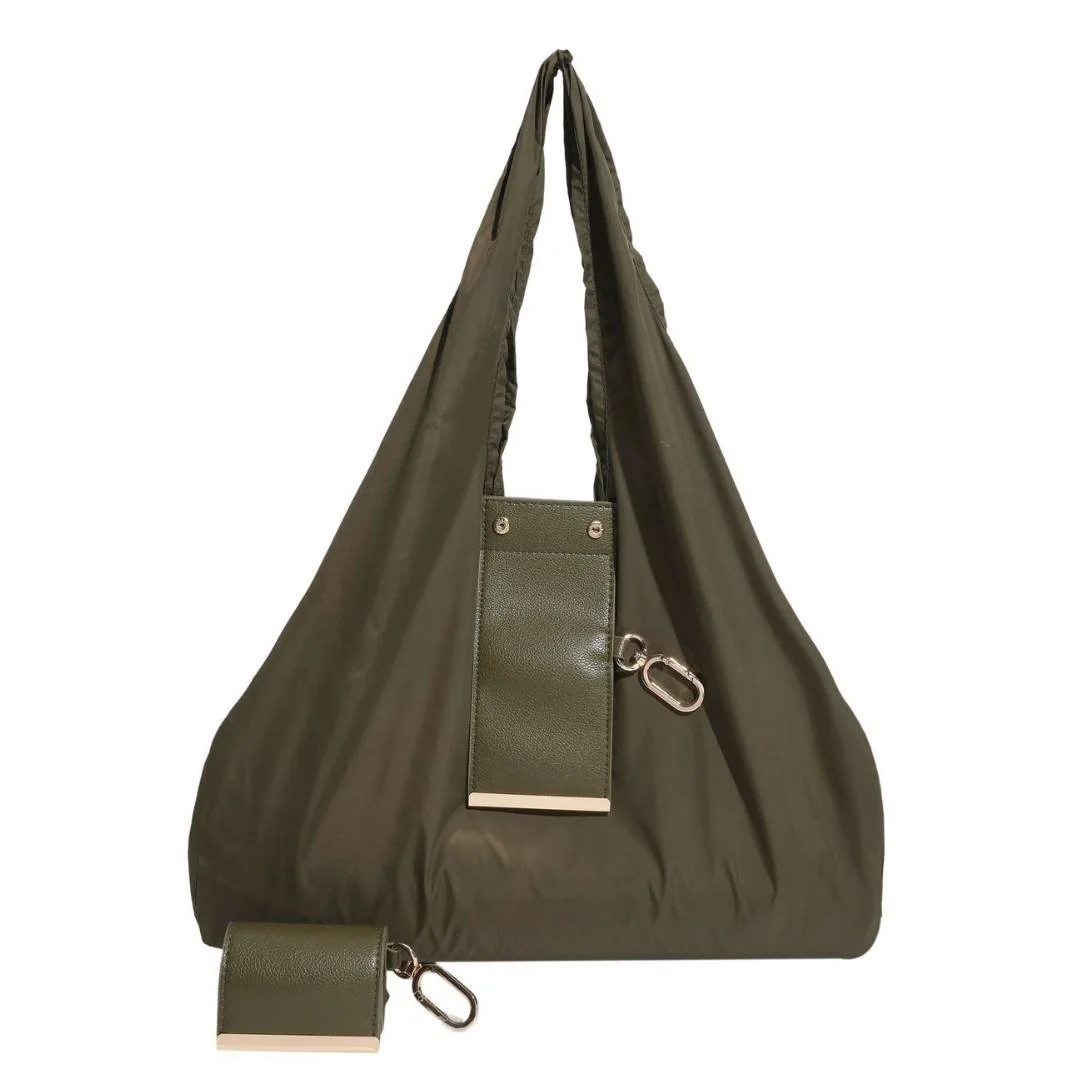 Foldable tote reference
Share this if you want to discuss lightweight woven materials, packing volume and print placement.
Foldable tote reference
Share this if you want to discuss lightweight woven materials, packing volume and print placement.
 Nylon backpack reference
Share this if you want to discuss panel structure, shoulder strap, lining and zipper discussions.
Nylon backpack reference
Share this if you want to discuss panel structure, shoulder strap, lining and zipper discussions.
RFQ checklist
A Practical First Message Checklist
You can start with the details you already have. We can help review what is enough for an early reply and what may still need confirmation.
To receive a useful material recommendation, prepare the buyer context before asking for price.
- Bag type and target customer
- Reference photos, sketches or a tech pack
- Intended use and expected carry weight or capacity
- Target quantity or quantity range
- Preferred materials, if any
- Logo method and placement
- Target market or selling channel
- Water resistance, abrasion, cleaning or sustainability claims you want to make
- Packaging or labeling requirements
AltusPack can also support custom packaging, labeling and FBA preparation support for Amazon sellers. These services should be discussed as part of the production and packing plan; they are not a guarantee of Amazon approval, customs clearance, tax handling or marketplace compliance.
Next step
A Practical Selection Process
- Define the use case and buyer expectation.
- Shortlist two or three material families that match the look and function.
- Ask for swatches with exact specifications, not only color photos.
- Review how each material works with lining, backing, straps, zippers and hardware.
- Test the branding method on the intended surface.
- Confirm required performance tests and claim wording.
- Make a prototype or pre-production sample before committing to bulk.
- Approve the material, color, construction and packaging together.