
 Custom bag partner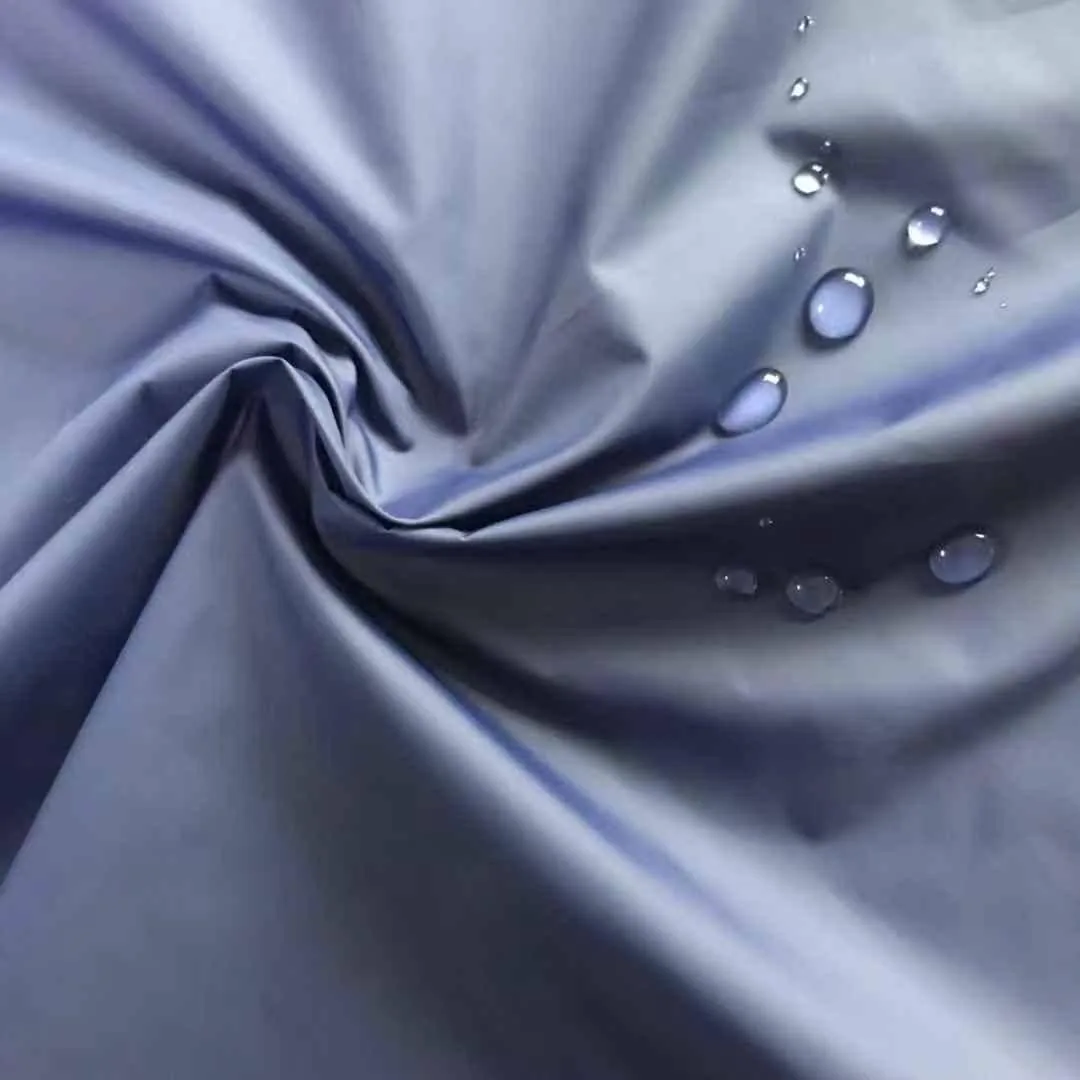
Answer first
We Would Start With The Claim, Not Just The Fabric
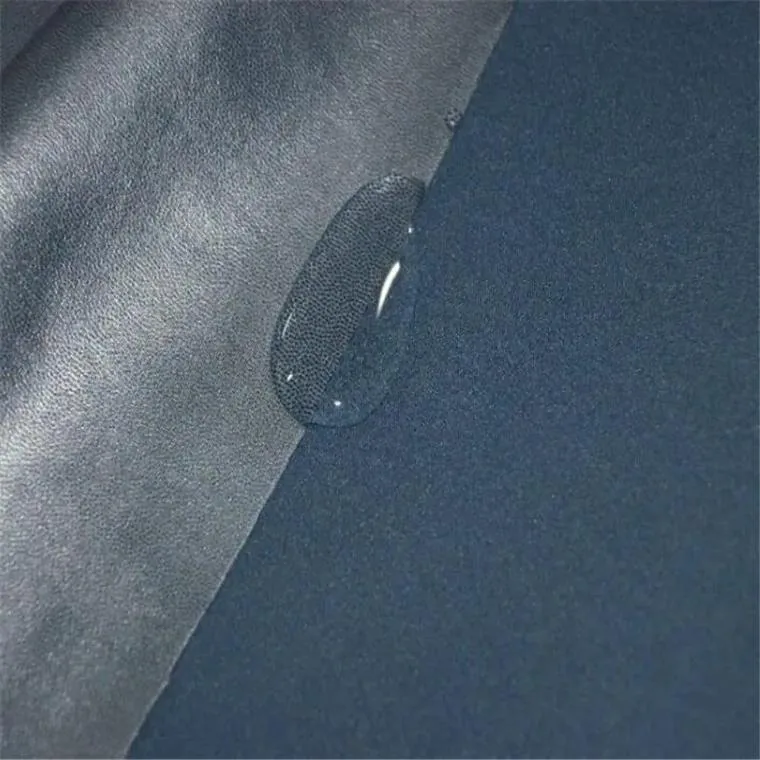
A fabric image with water beads can be useful for discussion, but it is not proof of finished-bag performance. We can help check how the finished bag construction may affect the claim: stitching, seams, closures, zippers, lining, binding, pockets and trim choices can all change the result.
Before requesting a sample, describe the expected use: light splash, brief rain, wet clothing, food or drink storage, outdoor travel, daily commuting or another specific condition. Then decide what wording is safe for the product page, package or marketplace listing.
Helpful starting point: Tell us what needs to resist water, how long it needs to resist it and how the result should be checked. If those points are unclear, claim wording and sample approval may need to stay provisional.
Construction
Finished-Bag Performance Depends On More Than Material
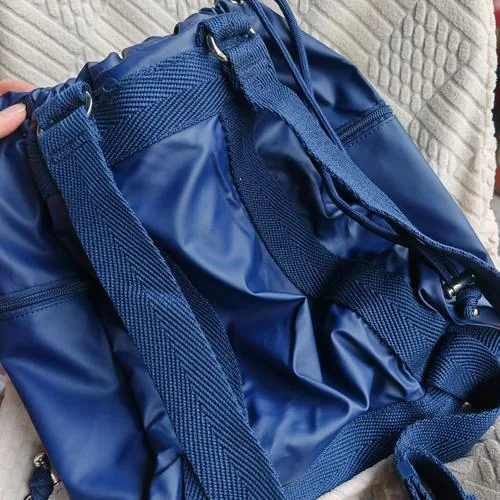
Material choice matters, but water-related performance is affected by the whole construction. A coated fabric may still have stitch holes, unsealed seams, ordinary zippers, open pockets or trim choices that limit the final result.
Finished-bag performance depends on fabric, coating, lining, seams, stitch holes, zipper, closure, construction and test method.
Fabric and coating
Clarify the base fabric, surface finish, coating direction and whether the buyer needs a specific test method.
Seams and stitch holes
Review seam placement, binding, reinforcement points and whether water can enter through stitched areas.
Zipper and closure
Check zipper type, flap coverage, drawstring closure, hook-and-loop areas and other openings.
Lining and compartments
Decide whether the inner lining, wet pocket, cooler lining or separate compartment needs its own requirement.
Wording
How To Separate Common Water-Related Terms
The exact wording should match the construction and evidence behind the product. If the evidence is not ready, keep the wording conservative until the sample and testing plan are reviewed.
| Term | What to clarify | Main risk |
|---|---|---|
| Water-repellent | Surface treatment or fabric finish and how it is expected to handle light contact. | Buyer may assume finished-bag protection when only fabric surface behavior was reviewed. |
| Water-resistant | Use condition, construction details and whether a specific test method is required. | Open seams, stitch holes, zippers or closures may limit finished-bag performance. |
| Waterproof | Required rating, test method, exposure level, seam treatment, closure design and target-market wording. | The word can overpromise if the bag has not been designed and checked for that level of performance. |
Sample questions
Questions To Answer Before Making A Sample
Water-resistance discussion should become part of the sample brief, not a vague product label. The sample team needs to know what the bag should do and how the buyer will judge it.
- What use condition should the bag handle: splash, rain, wet compartment, cooling, commuting or travel?
- Which part matters most: outer fabric, zipper, seam, base, pocket, lining or closure?
- Is the buyer asking for material behavior, finished-bag behavior or both?
- Does the target market, retailer or platform require a test method or documentation?
- What public wording will appear on the product page, label or package?
- Which details can be changed if the first sample does not match the required result?
AltusPack can coordinate testing when a buyer's target market, retailer or platform requires it. Testing needs should be discussed before sampling, not added after public copy is written.
Product references
Use Product Examples For Structure, Not As Test Proof
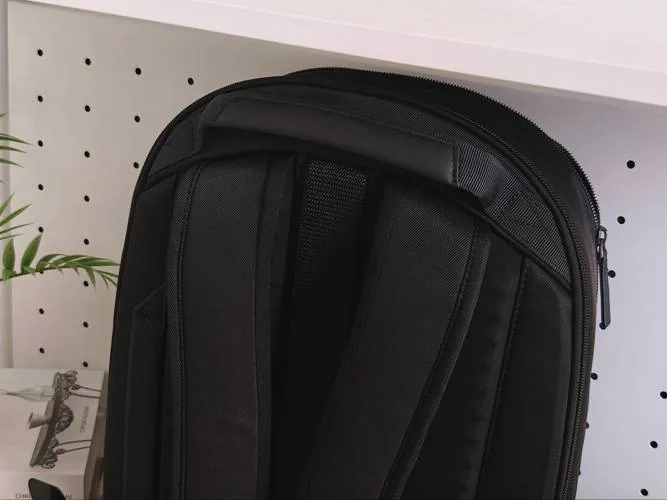
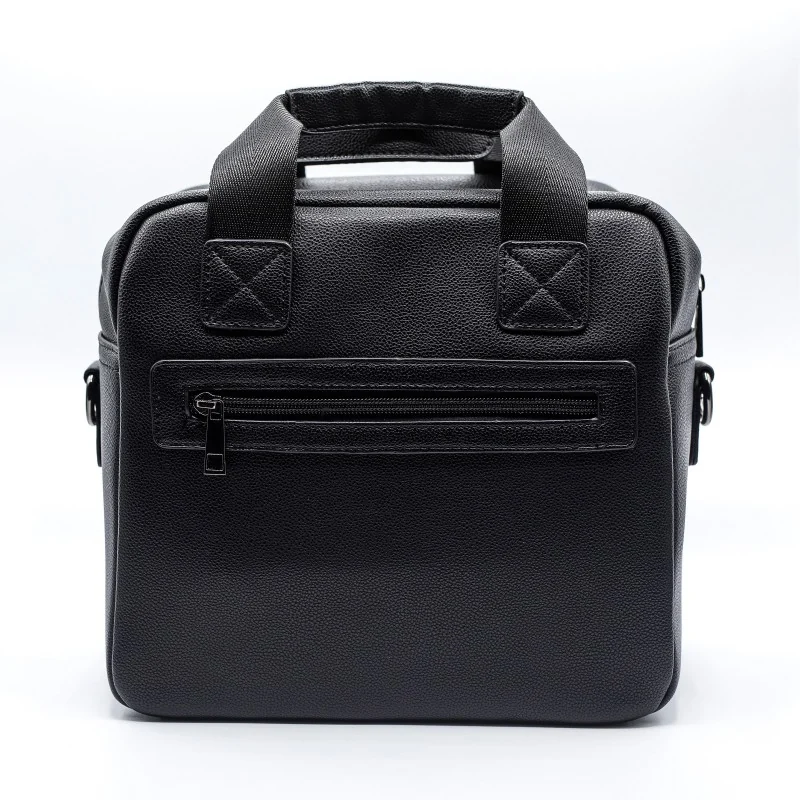
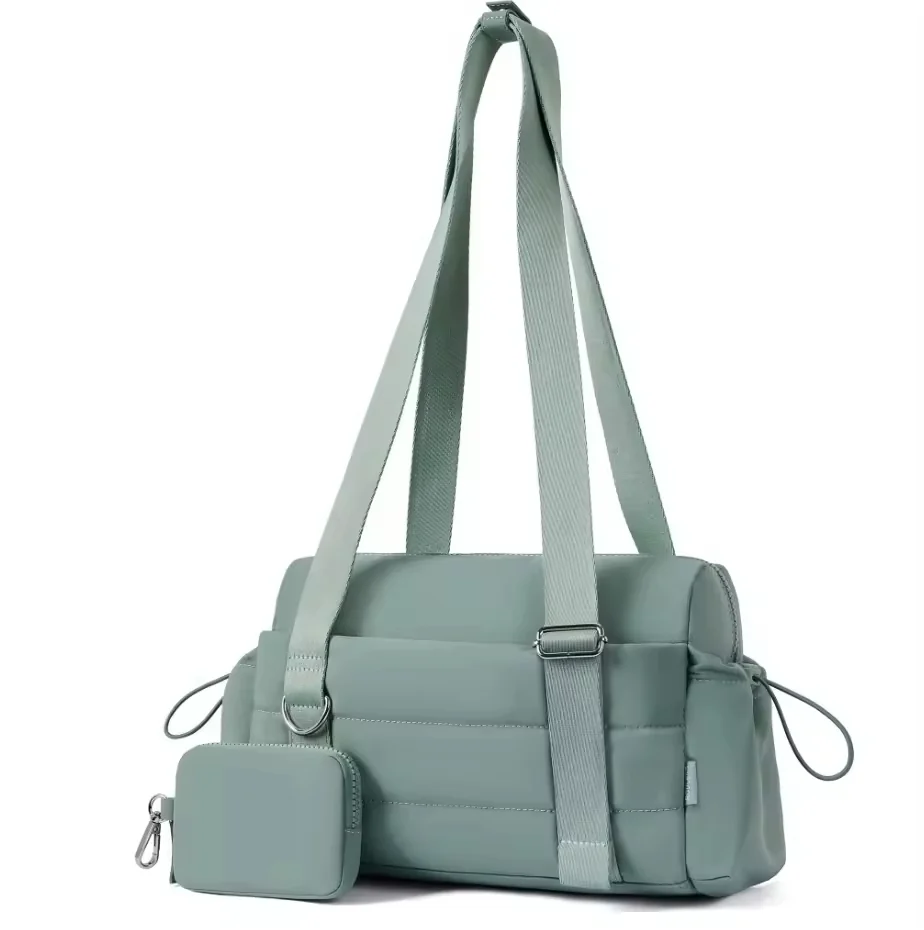
Product references help the team discuss shape, closure, lining and compartment needs. They should not be treated as proof that a specific finished bag has a waterproof test result.
RFQ checklist
What To Send For A Water-Resistance Review
A useful RFQ should turn the claim into checkable requirements before the sample is made.
- Expected use condition and exposure level
- Preferred wording: water-repellent, water-resistant, waterproof or a more specific phrase
- Material, coating, lining and color direction
- Seam, stitching, zipper, closure and compartment requirements
- Product reference links or photos that show the closest structure
- Target market, retailer, platform or test method requirement if one exists
- Packaging or label wording that will repeat the claim
- Sample approval checks and acceptable changes if the first result needs revision
Next step
Make The Claim Reviewable Before Sampling
Water-related wording should be tied to use conditions, construction and testing needs. Send the requirement before sampling so the team can review material, seams, closure and wording together.